
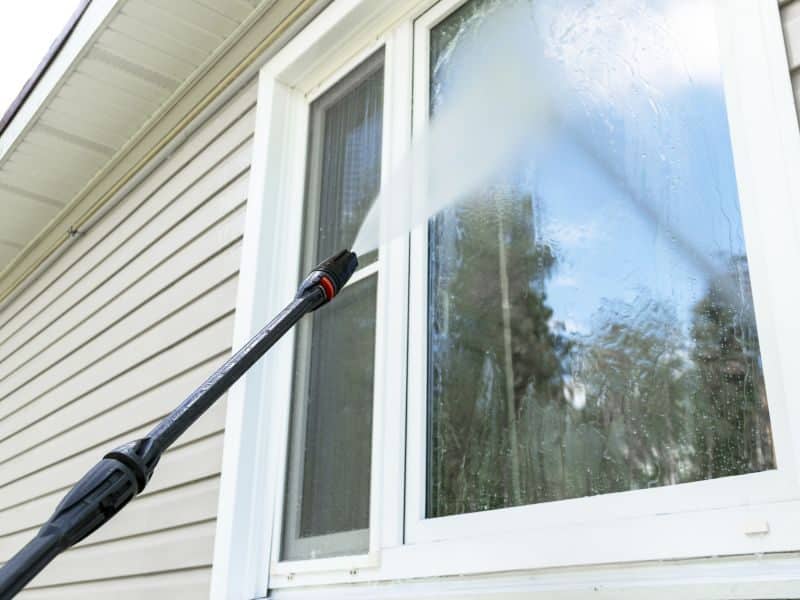
Your home should feel bright, open, and welcoming—but hard water stains on your windows can quietly dull that experience. Those cloudy spots, streaks, or white mineral deposits don’t just affect curb appeal. They can also etch into the glass over time, making them harder to remove and even reducing the lifespan of your windows.
If you’ve noticed stubborn water marks that won’t wipe away no matter how much you clean, you’re not alone. Homeowners in Fredericksburg, Virginia deal with this issue frequently due to seasonal weather patterns, irrigation systems, and mineral-heavy water. The good news is that with the right approach, hard water stains can be removed—and prevented from coming back.
At Excellent Exteriors, we help homeowners restore clarity to their windows and protect their home’s exterior from long-term damage. Here’s what you need to know.
The Story: When Clean Windows Start Looking Cloudy
You wash your windows, expecting a clear, streak-free shine. But a few days later, the same cloudy spots return. It’s frustrating—and confusing. The problem isn’t your cleaning routine. It’s what’s in the water.
Hard water stains form when water containing minerals like calcium and magnesium dries on glass surfaces. As the water evaporates, it leaves behind those minerals, which slowly build up into visible deposits.
For homeowners, this creates a cycle: clean → dry → stains return → repeat.
The hero in this story isn’t more scrubbing—it’s understanding the cause and choosing the right solution.
What Causes Hard Water Stains on Windows?
Hard water stains don’t appear randomly. They usually come from predictable sources around your home:
1. Sprinkler and Irrigation Systems
One of the most common causes is lawn irrigation. When sprinklers hit windows regularly, mineral-rich water dries on the glass. Over time, this creates visible spotting and cloudy buildup.
2. Rainwater Mixed with Environmental Minerals
Rain itself isn’t the main issue—it’s what it picks up along the way. Dust, pollutants, and airborne minerals can contribute to staining when water runs down windows and evaporates.
3. Poor Drainage or Overflow
Gutters or drainage systems that overflow can send water directly onto windows, siding, and frames, increasing mineral buildup.
4. Well Water Systems
In areas where homes use untreated or hard well water for outdoor use, mineral content tends to be higher, increasing staining risk.
5. Lack of Regular Exterior Cleaning
When windows aren’t cleaned regularly, mineral deposits sit longer and bond more strongly to the glass surface, eventually becoming harder to remove.
In Fredericksburg’s seasonal humidity and fluctuating temperatures, these issues can become even more noticeable over time.
Why Hard Water Stains Are More Than Just Cosmetic
At first glance, hard water stains may seem like a minor annoyance. But over time, they can lead to more serious issues:
- Etching in glass: Minerals can permanently damage the surface
- Reduced natural light: Cloudy windows block brightness
- Lower curb appeal: Affects how your home looks from the outside
- Harder cleaning over time: Older stains require more aggressive treatment
The longer they sit, the more difficult they are to remove without professional-grade solutions.
DIY Solutions: What Works (and What Doesn’t)
Homeowners often try a few common methods first—and some can help if the stains are light.
Mild Vinegar Solution
A mixture of white vinegar and water can dissolve early mineral buildup. It works best on fresh stains.
Baking Soda Paste
For slightly tougher spots, a gentle paste can help lift deposits without scratching the glass.
Commercial Glass Cleaners
Some products are formulated specifically for mineral deposits, but results vary depending on severity.
What to Avoid
- Razor blades (can scratch glass if used incorrectly)
- Harsh abrasives
- Repeated dry scrubbing (often spreads minerals instead of removing them)
The truth is that once stains become embedded, DIY methods often only provide temporary improvement.
The Professional Solution: Restore Clarity and Protect Your Windows
This is where experience and the right equipment make a difference.
Professional exterior cleaning services—like those provided by Excellent Exteriors in Fredericksburg, Virginia—use specialized treatments designed to safely break down mineral deposits without damaging the glass.
A professional approach typically includes:
- Assessment of stain severity and cause
- Safe mineral deposit removal treatments
- Professional-grade glass cleaning solutions
- Protective techniques to slow future buildup
- Cleaning of surrounding frames and exterior surfaces
The goal isn’t just to clean the glass—it’s to restore clarity and help prevent stains from returning quickly.
How to Prevent Hard Water Stains in the Future
Once your windows are clean again, prevention becomes key. Here’s how homeowners can reduce future buildup:
Adjust Sprinkler Direction
Make sure irrigation systems are angled away from windows and siding.
Clean Windows Regularly
Routine exterior cleaning prevents minerals from bonding to the glass.
Maintain Gutters and Drainage
Proper water flow reduces overflow onto windows.
Apply Protective Coatings
Some professional treatments create a barrier that helps repel water and minerals.
Schedule Seasonal Exterior Maintenance
Spring and fall are ideal times to inspect and clean exterior surfaces before buildup worsens.
The Result: Clear Windows, Brighter Home, Better Curb Appeal
When hard water stains are removed properly, the difference is immediate. Natural light returns. Your home looks cleaner from the outside. And instead of constantly battling cloudy glass, you get lasting clarity.
At Excellent Exteriors, we believe your home should reflect the care you put into it. Hard water stains don’t have to be permanent—and they don’t have to be something you keep fighting alone.
If your windows are starting to look dull or stained, the solution isn’t more frustration. It’s the right approach, done the right way.
Resources
- U.S. Geological Survey – Hard Water Information: https://www.usgs.gov/special-topics/water-science-school/science/hardness-water
- EPA Water Quality Information: https://www.epa.gov/water-research
- Glass Association of North America – Glass Care Guidelines: https://www.glasswebsite.com/
- National Association of Home Builders – Exterior Maintenance Tips: https://www.nahb.org/