
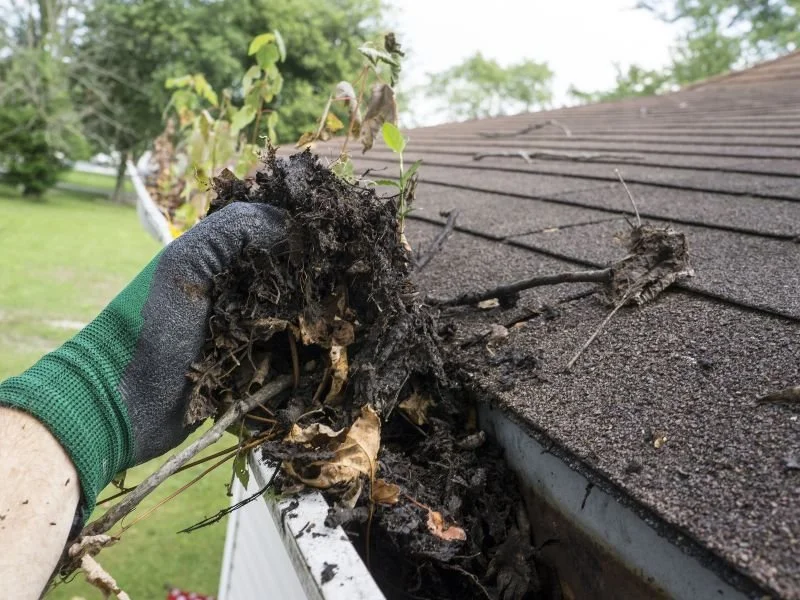
Every home has a system working quietly in the background to protect it from water damage. In Fredericksburg, Virginia—where heavy rains, seasonal storms, and falling leaves are common—that system is especially important. It’s your gutters. And when they’re working, you barely notice them. But when they’re clogged, the damage can start fast and spread even faster.
For homeowners, it often begins with something small: a few leaves, pine needles, or roof granules collecting in the gutters. It doesn’t seem urgent. But over time, that simple blockage can lead to thousands of dollars in roof repairs, foundation issues, and even interior water damage.
That’s why companies like Excellent Exteriors in Fredericksburg, Virginia, focus so heavily on gutter maintenance and exterior protection. Because when gutters fail, your entire home becomes vulnerable.
The Hidden Story Behind Your Gutters
Think of your gutters as your home’s “rain management system.” Their job is simple: capture water from your roof and carry it safely away from your foundation. When that system is clear and functioning, rainwater flows harmlessly through downspouts and disperses away from your home.
But when gutters are clogged, that story changes.
Instead of flowing away, rainwater backs up and spills over the sides of the gutter. It cascades down exterior walls, saturates the soil around your home, and begins collecting exactly where you don’t want it—right at your foundation.
According to drainage and foundation experts, this overflow is one of the most common causes of soil saturation and structural stress around residential homes.
Act 1: The Roof Takes the First Hit
The first area affected by clogged gutters is almost always the roofline.
When water cannot drain properly, it begins to pool along the edge of the roof. From there, it can seep beneath shingles, soak the roof decking, and damage the fascia boards that support your gutter system. Over time, this trapped moisture can lead to wood rot, mold growth, and even roof leaks inside the home.
What makes this especially dangerous is that the damage often happens out of sight. Homeowners may not notice anything wrong until water stains appear on ceilings or walls. By that point, the problem has already been building for months—or even years.
In colder months, the problem gets worse. Standing water in clogged gutters can freeze and form ice dams, forcing water back under shingles and increasing the risk of roof damage and interior leaks.
Act 2: Water Begins Attacking the Foundation
Once gutters overflow, gravity takes over. Water pours directly down the sides of the home and collects in the soil surrounding the foundation.
At first, it might just look like puddles in the yard. But beneath the surface, something more serious is happening. The soil becomes oversaturated and begins to shift. This creates pressure against foundation walls, a condition known as hydrostatic pressure.
Over time, this pressure can lead to:
- Small foundation cracks that widen with each storm
- Water seepage into basements or crawl spaces
- Uneven settling of the structure
- Long-term structural instability
Even more concerning, repeated wet-dry cycles can weaken the soil’s ability to support the foundation, increasing the risk of long-term movement or sinking.
Experts consistently warn that poor drainage around a home is one of the leading contributors to foundation damage and basement moisture issues.
Act 3: The Damage Spreads Beyond the Structure
Once water is consistently pooling around your home, the damage doesn’t stop at the roof and foundation. It spreads outward.
You may begin noticing:
- Washed-out landscaping and mulch
- Erosion forming trenches near the house
- Mold or mildew growth on siding
- Increased pest activity in damp areas
What started as a clogged gutter becomes a full exterior system failure. Water is no longer being controlled—it’s being dumped wherever gravity takes it.
And because Fredericksburg experiences seasonal storms and heavy rainfall, these issues can escalate quickly during peak weather months.
Why This Happens More Than Homeowners Realize
Most homeowners assume gutters only need attention when they are visibly overflowing. But by the time water is spilling over the edge, the system has already been compromised.
Leaves, twigs, roofing debris, and even bird nests can create hidden blockages inside the gutter or downspout. These blockages restrict flow and cause water to back up along the roofline instead of draining properly.
Even homes with gutter guards aren’t immune. Fine debris can still accumulate over time, especially during heavy fall leaf seasons common in Virginia.
The Solution: Prevention Is the Protection
The good news is that all of this damage is preventable.
Routine gutter cleaning and inspection—especially in the spring and fall—can stop water from ever reaching the point of overflow. Ensuring downspouts are clear and directing water at least several feet away from the foundation is equally important.
Professional exterior maintenance services, like those offered by Excellent Exteriors, help homeowners catch small issues before they become expensive repairs. A simple cleaning today can prevent roof leaks, foundation cracks, and basement moisture problems tomorrow.
A Simple Truth Every Homeowner Should Remember
Your home is only as protected as its drainage system.
When gutters are clear, water stays where it belongs—moving safely away from your roof, siding, and foundation. When they’re clogged, water becomes one of the most destructive forces your home faces.
Protecting your gutters isn’t just maintenance. It’s protection for your entire home.